

How to Price Yourself as a Freelance Makeup Artist Without Undercutting the Industry
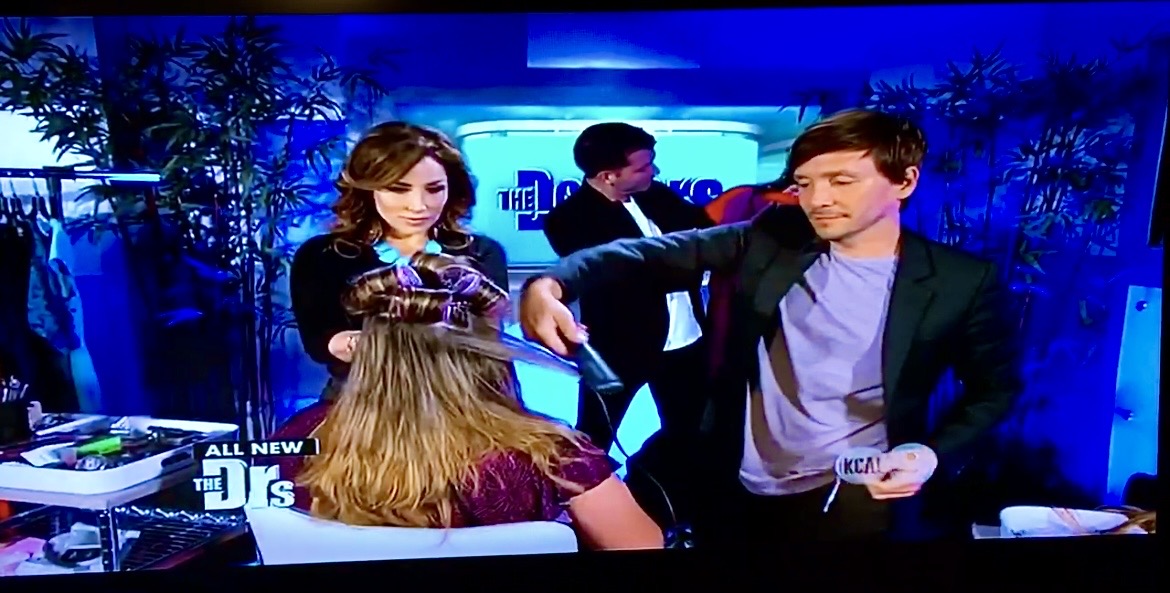
Learning how to price yourself as a freelance makeup artist is one of the trickiest parts of building a sustainable career. It’s something even talented artists get wrong constantly. Undercharging doesn’t just hurt you, it hurts the entire industry. It trains clients to expect rates that don’t reflect the skill, time, and investment behind this work.
The biggest mistake I see new artists make is pricing based only on the hours they spend applying makeup. That’s not the full picture. When you’re learning how to price yourself as a freelance makeup artist, you have to factor in your kit fee and your travel time. You also have to account for wear and tear on your equipment and vehicle. If a job takes an hour to drive to, that’s an hour there and an hour back. Add setup time and breakdown time when you’re packing everything back into your kit and car. None of that is free, and none of it should be absorbed by you as the artist.
Understanding Kit Fees and How to Price Yourself as a Freelance Makeup Artist
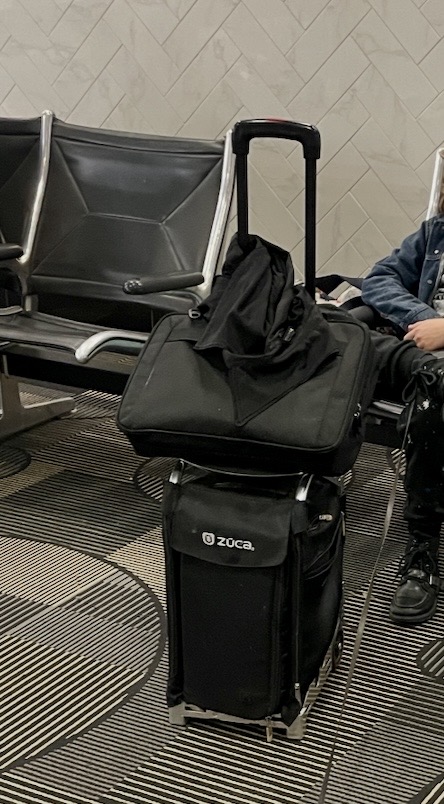
A professional kit represents thousands of dollars in product, tools, and continuous replenishment. Your kit fee needs to reflect that ongoing investment. It’s not just the products used on a single job. Foundations expire, brushes wear down, and high-end formulas need constant restocking. That cost has to be built into your day rate, not treated as a freebie you absorb.
Travel time is another piece people underprice. If a job is an hour away, that’s two hours of driving alone. Add setup and breakdown time when you’re loading and unloading your kit. Factor in gas and wear and tear on your vehicle too. Professional rates need to account for more than just the hours you spend applying makeup.
The Four Questions I Ask Before Naming a Price
Before I ever give a rate, I ask four questions. What is the production? Meaning is this a major commercial with real backing or a smaller independent project? What’s the timeline? Referring to how many hours will I actually be on set. What’s the talent breakdown? Because doing makeup on five men move faster than making up two women, and mixed groups change your workload entirely. And finally, what’s the production’s budget, because that number tells me immediately what tier we’re working in.
If someone asks my rate first, I usually turn the question back around and ask about their budget. Bigger productions with real backing get priced accordingly. But when it’s a smaller independent project with a modest budget, I adjust to what’s realistic for that scale while still protecting my value.
Why Experience and Specialization Matter
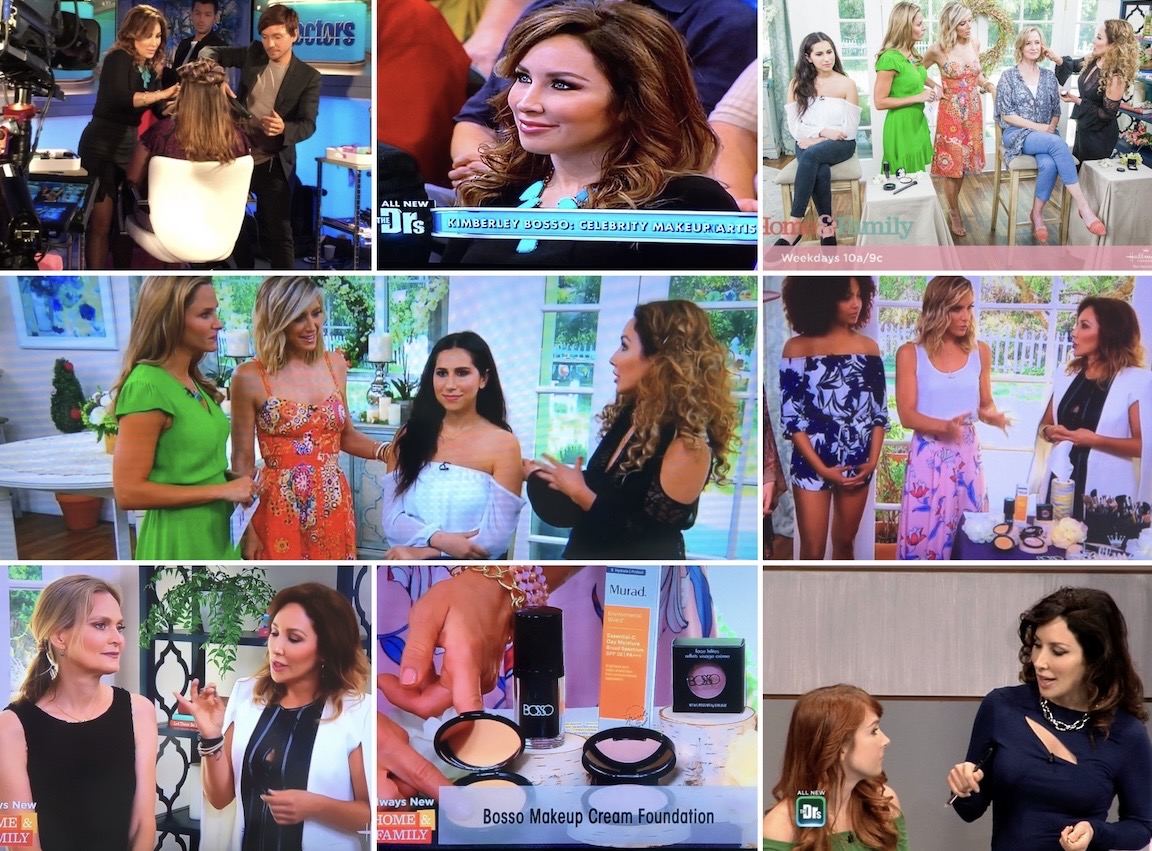
Experience should absolutely be reflected in your pricing. So should specialization. If you’re skilled in red carpet, bridal, editorial, TV, and SFX, you’re offering something broader than someone who only does one thing well. Tattoo cover and airbrushing are other top skills that are classified in the specialization category. That range is worth charging for, not undervaluing.
Something I always tell my students is to research the market in their specific city or region. Don’t just match the lowest rates you find. Position yourself based on your training and your body of work. If you’ve invested in an intensive makeup program and built a strong portfolio, your pricing should reflect that investment. It shouldn’t compete with someone who took a weekend class.
Package Pricing and Clarity for Clients
Package pricing works well for freelance artists, especially for bridal or event work where clients want clarity upfront. Bundling trial sessions, day-of services, kit fees, and touch-up kits into a clear package helps. It makes pricing feel more professional and less like you’re guessing.
The fear of pricing yourself too high is real, especially early on. But undercharging creates a cycle that’s hard to break out of. Clients who paid a lower rate expect that rate to stay the same even as you gain more experience. Learning how to price yourself as a freelance makeup artist means setting your value early. Even if it means fewer bookings at first, it protects your long-term career.
Raising Your Rates as You Grow
Raising your rates over time is normal and necessary. As you gain experience, add credentials, or build a stronger portfolio, your pricing should evolve. Communicate that clearly to new clients, and don’t apologize for it. Artists who stay stuck at the same rate for years usually aren’t protecting their clients. They’re just underselling themselves out of fear.
It also helps to revisit your rates on a set schedule, maybe once a year. Don’t wait until you feel resentful of a job to realize you’re underpriced. Treat your pricing like a living part of your business, not something you set once and forget.
The Bigger Picture
The freelance makeup industry suffers when artists compete on price instead of skill. Every time someone undercuts the market out of fear or inexperience, it hurts everyone. It makes it harder for the next artist to charge what the work is actually worth. Knowing how to price yourself as a freelance makeup artist isn’t just good for you individually. It protects the value of this profession for everyone building a career in it.
At the end of the day, your rate should reflect your training, your time, your travel, and your kit. It should reflect the years you’ve invested in becoming good at this. Charge for all of it, not just the makeup application itself.
Comments