
Makeup is not one-size-fits-all, and understanding how different formats demand different approaches is what separates a good artist from a great one. Learning how to apply makeup for different camera formats, whether you’re working TV, print, or runway completely changes how you execute every technique. The makeup that photographs beautifully for a magazine spread is completely different from what works under television lighting, and both are nothing like what you need for a runway look.
The makeup that photographs beautifully for a magazine spread is completely different from what works under television lighting, and both are nothing like what you need for a runway look. After decades working across all three, I can tell you the differences matter more than most people realize. Getting this wrong is the difference between a look that lands and one that falls flat, and in this industry, flat is not an option.
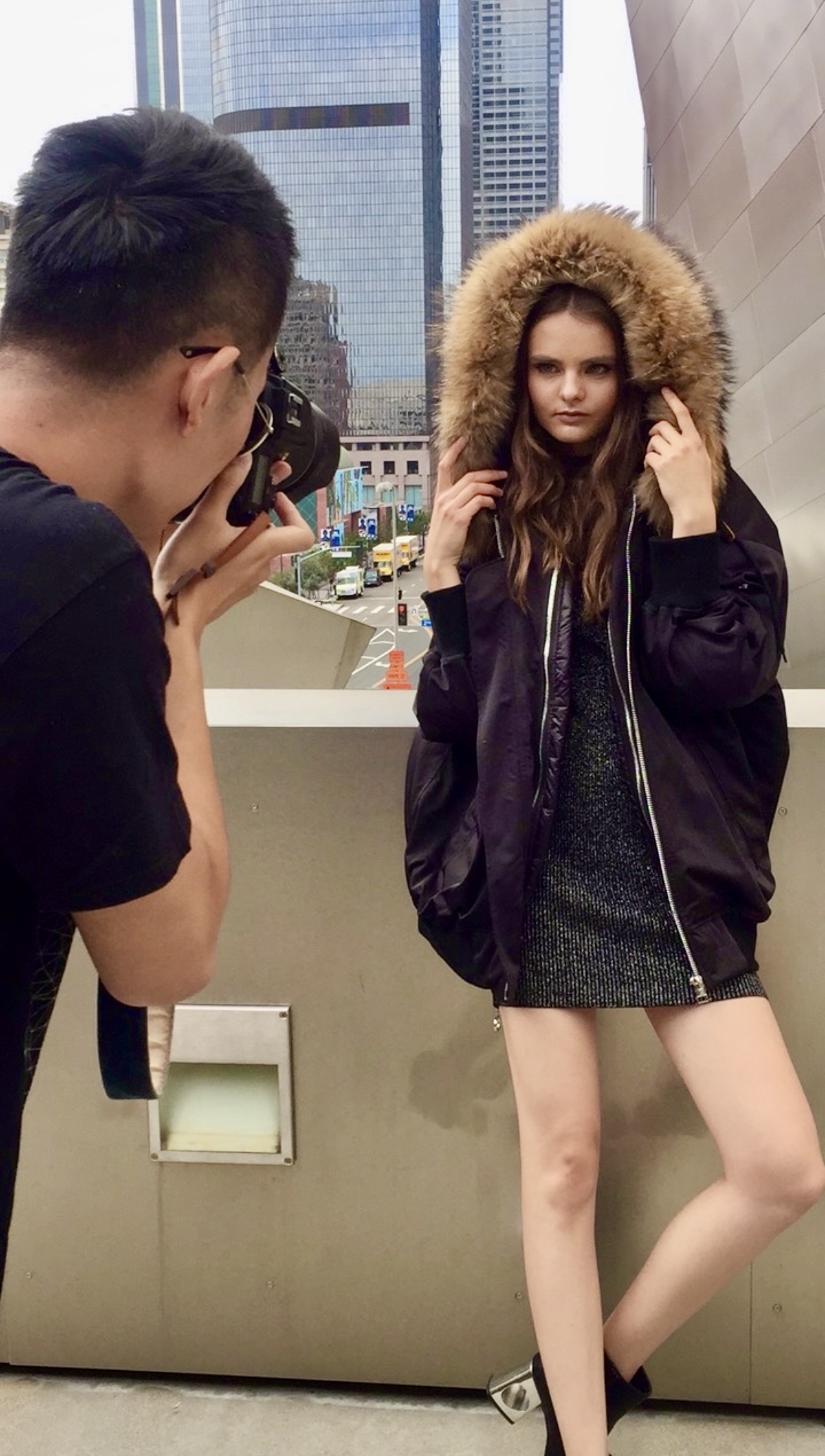
You have to be strategic when working makeup for different camera formats. For print photography, makeup needs dimension and definition because the camera flattens everything. Colors can be richer and more saturated without looking overdone in person. You’re working with controlled lighting, so you can place shadows and highlights strategically and they’ll read exactly as intended in the final image. Contour can be more pronounced. Lips can be deeper. Eyes can have more drama because the still image captures that moment of perfection. Print is forgiving in that way, you get one shot, and you make it count.
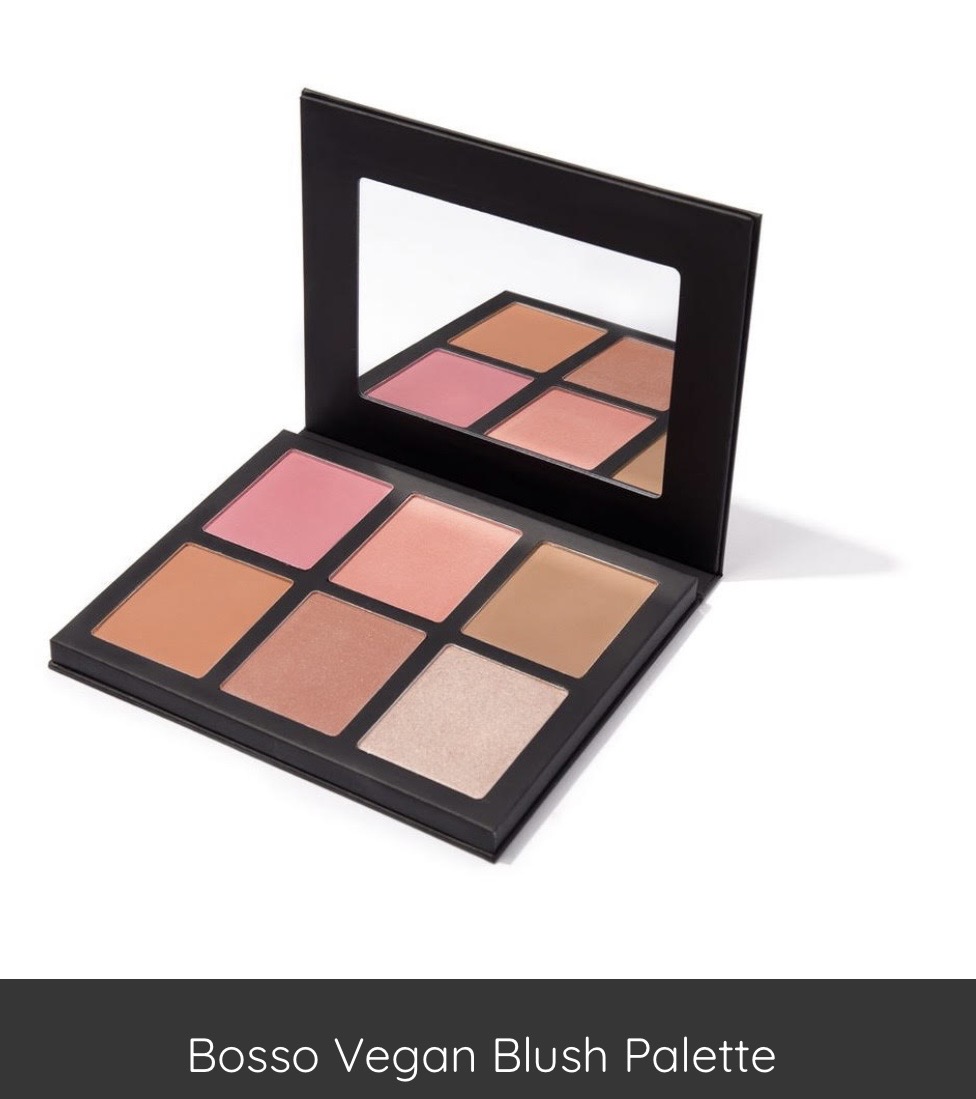
Product selection for print is also different because makeup for different camera formats requires different formulas. You want formulas that photograph well not too shiny, not too matte. Skin needs to look luminous but not greasy. I lean toward satin finishes for print because they catch light beautifully without creating unwanted reflection. Setting the makeup correctly is critical too because once that shutter clicks, what’s there is what’s there. I always do a test shot before we go into the full shoot to see exactly how the makeup is reading on camera. What looks perfect to the naked eye can look completely different through a lens, and that test shot saves you every time.
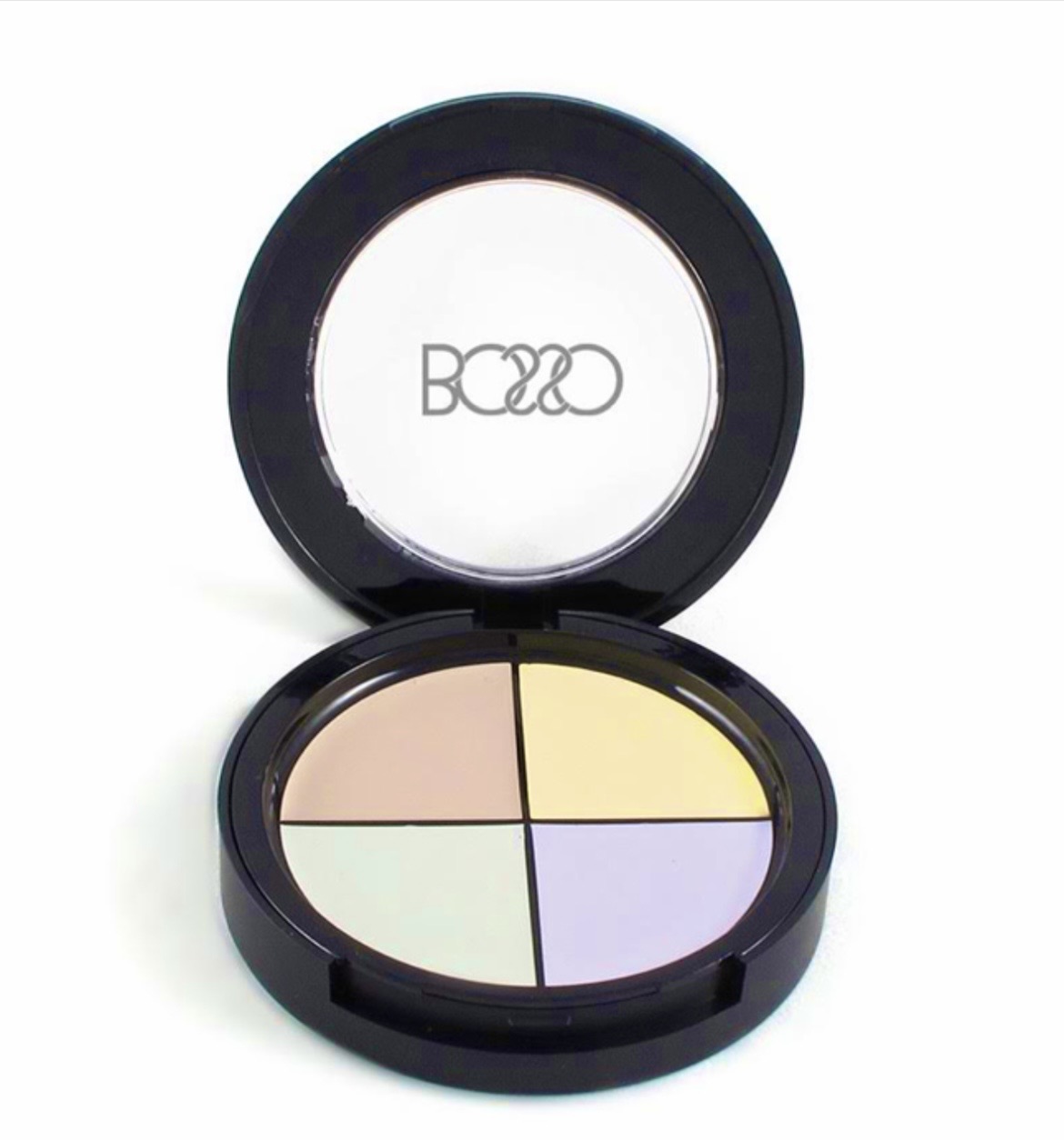
Color correction is another layer that print demands. Certain colors shift under photography lighting…reds can go orange, purples can go blue. Knowing how your pigments photograph versus how they look in person is a skill that takes time to develop, and it’s one of the things I teach specifically in the Bosso makeup intensive because it’s not something most people think about until they see a final image and wonder what went wrong.
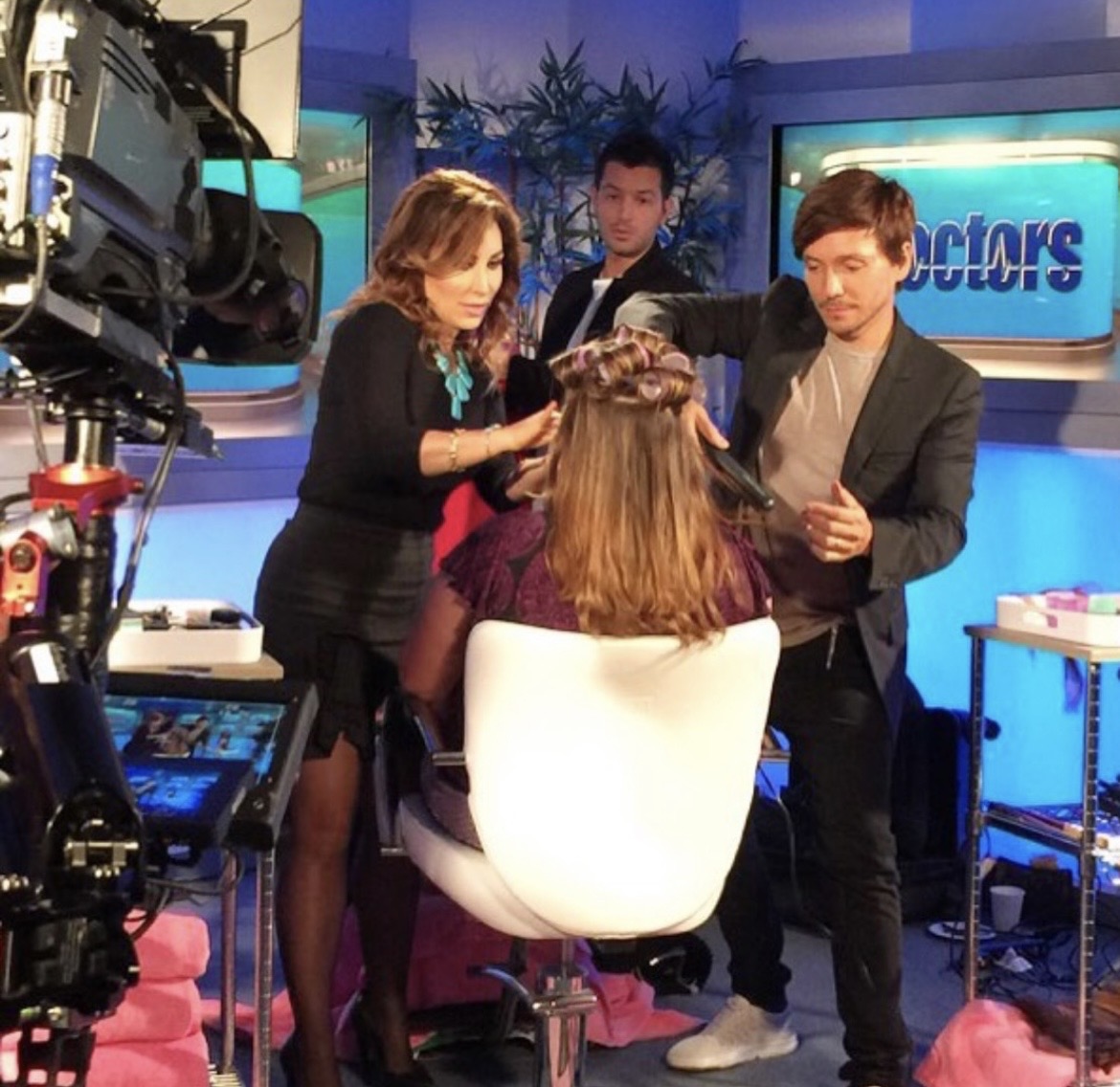
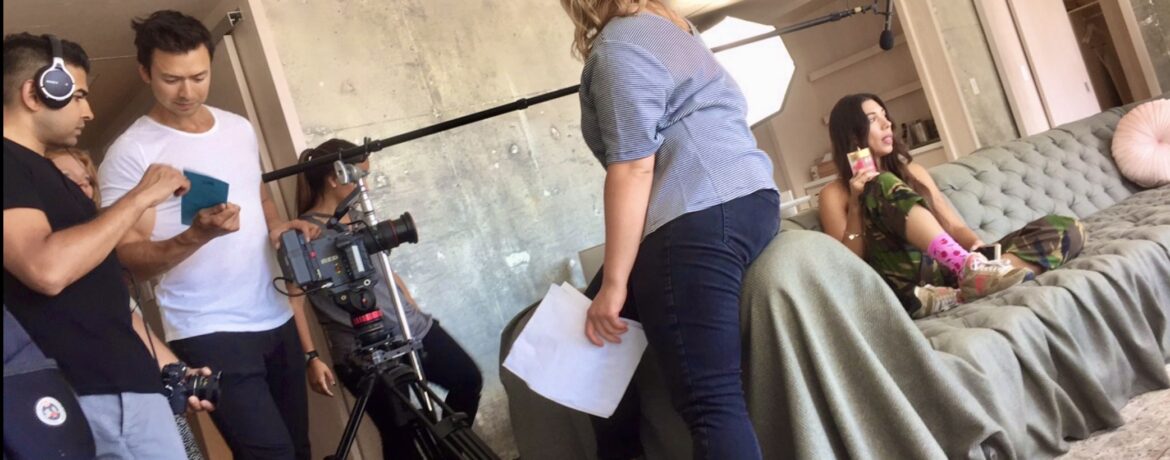
Television is a completely different animal. The camera is live and unforgiving, and depending on the show, the lighting can range from soft and flattering to harsh and bright. What looks good in person can read differently on camera. Foundation needs to be flawless and perfectly matched because any imperfection gets magnified. Colors need to be more neutral and wearable because TV makeup has to work for hours under hot lights and movement. You’re also dealing with color temperature and how skin tones shift under different lighting. Makeup for TV is about longevity and looking natural while still being camera-ready. It’s subtle but strategic.
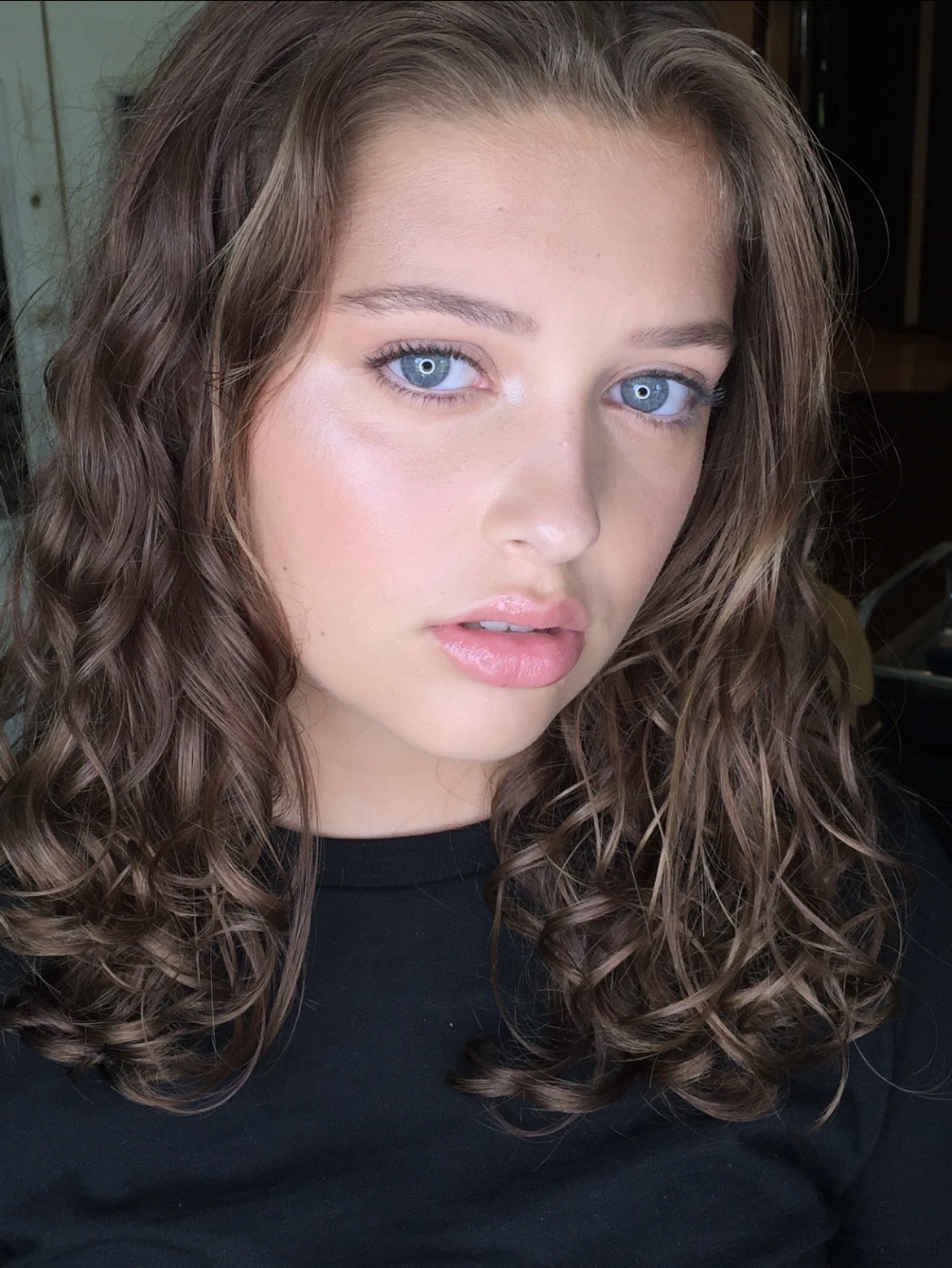
One of the biggest things I’ve learned working in television is that less truly is more. The instinct is to add more product to make sure the makeup reads on camera, but it almost always works against you. Heavy foundation looks cakey under HD cameras. Overly contoured faces look muddy. The goal is to enhance without it being detectable. Viewers should see the person, not the makeup.
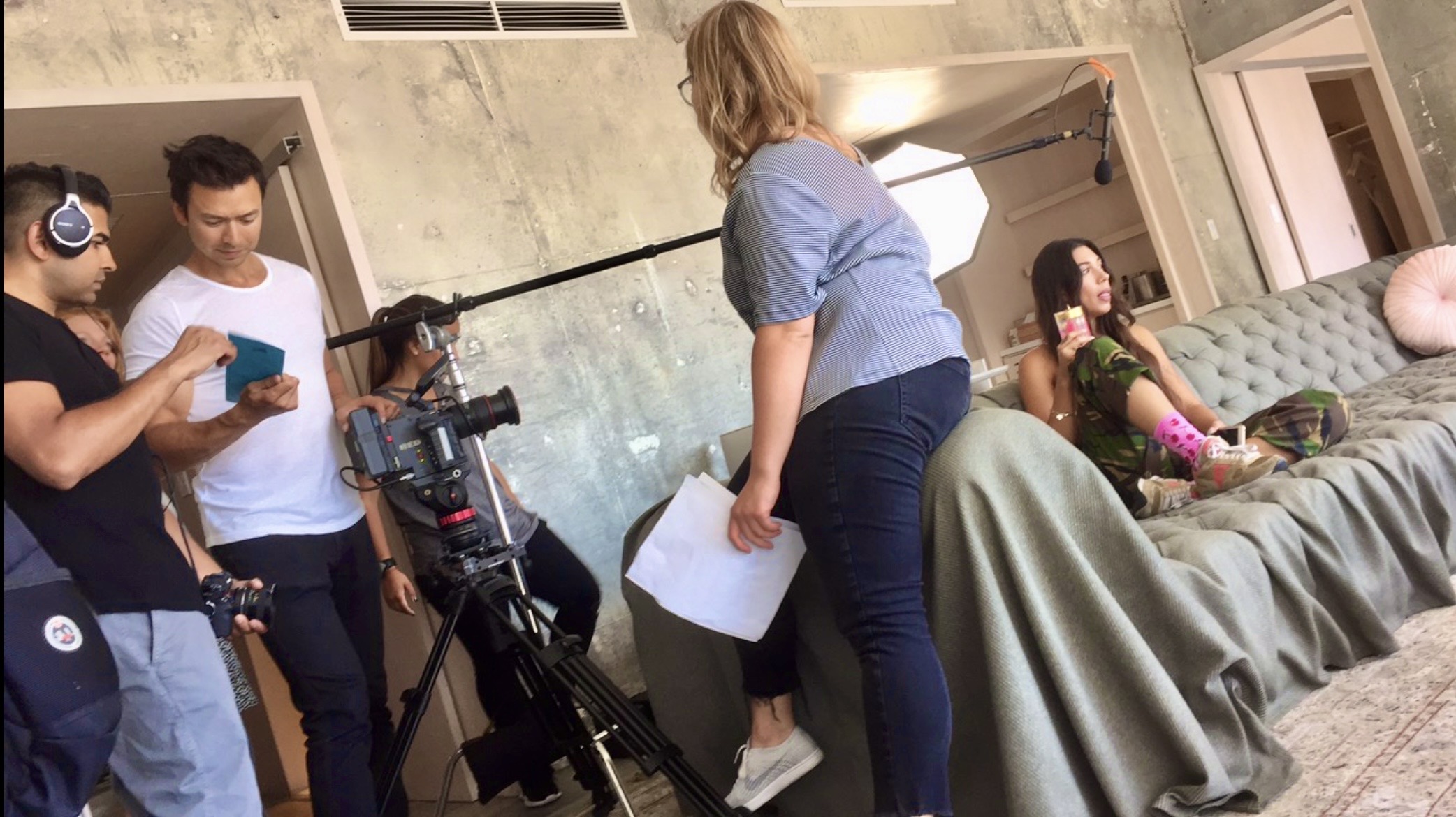
Skin prep becomes even more critical for television because you’re dealing with longevity. A guest on a morning show might be in makeup for three to four hours before they ever sit down in front of a camera. That makeup needs to stay fresh and natural-looking through all of it. I’m very specific about the primers and setting products I use for TV work because that’s where the staying power comes from. A good setting spray mid-application is something I swear by…. not just at the end, but layered throughout even when doing makeup for different camera formats.
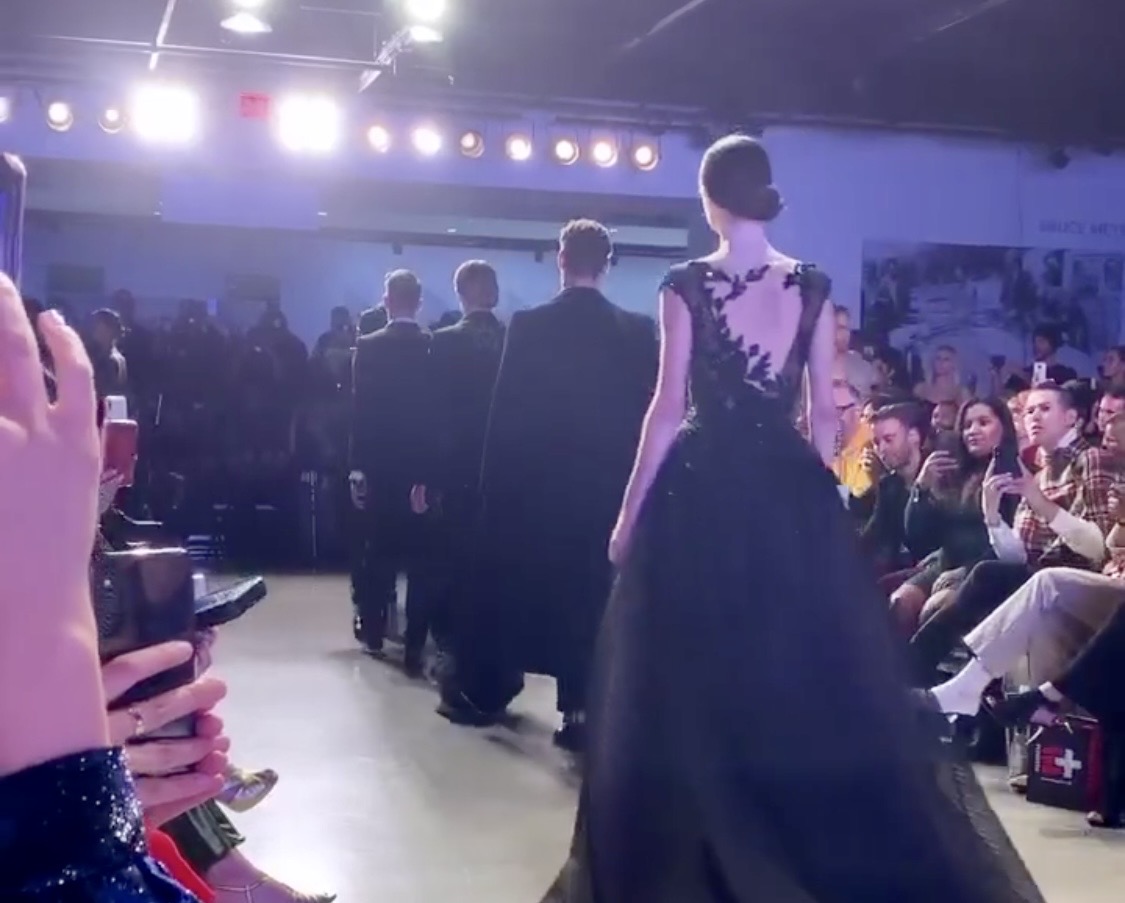
Runway is its own beast entirely. The makeup has to survive movement, sweat, and bright lights, but it also has to be visible from a distance. People in the back of the venue need to see the artistry. So while television demands subtlety, runway demands impact. Colors are bolder. Graphic elements are sharper. The makeup needs to complement the clothing without competing, but it also needs to make a statement. And it has to last no touch-ups between outfits.
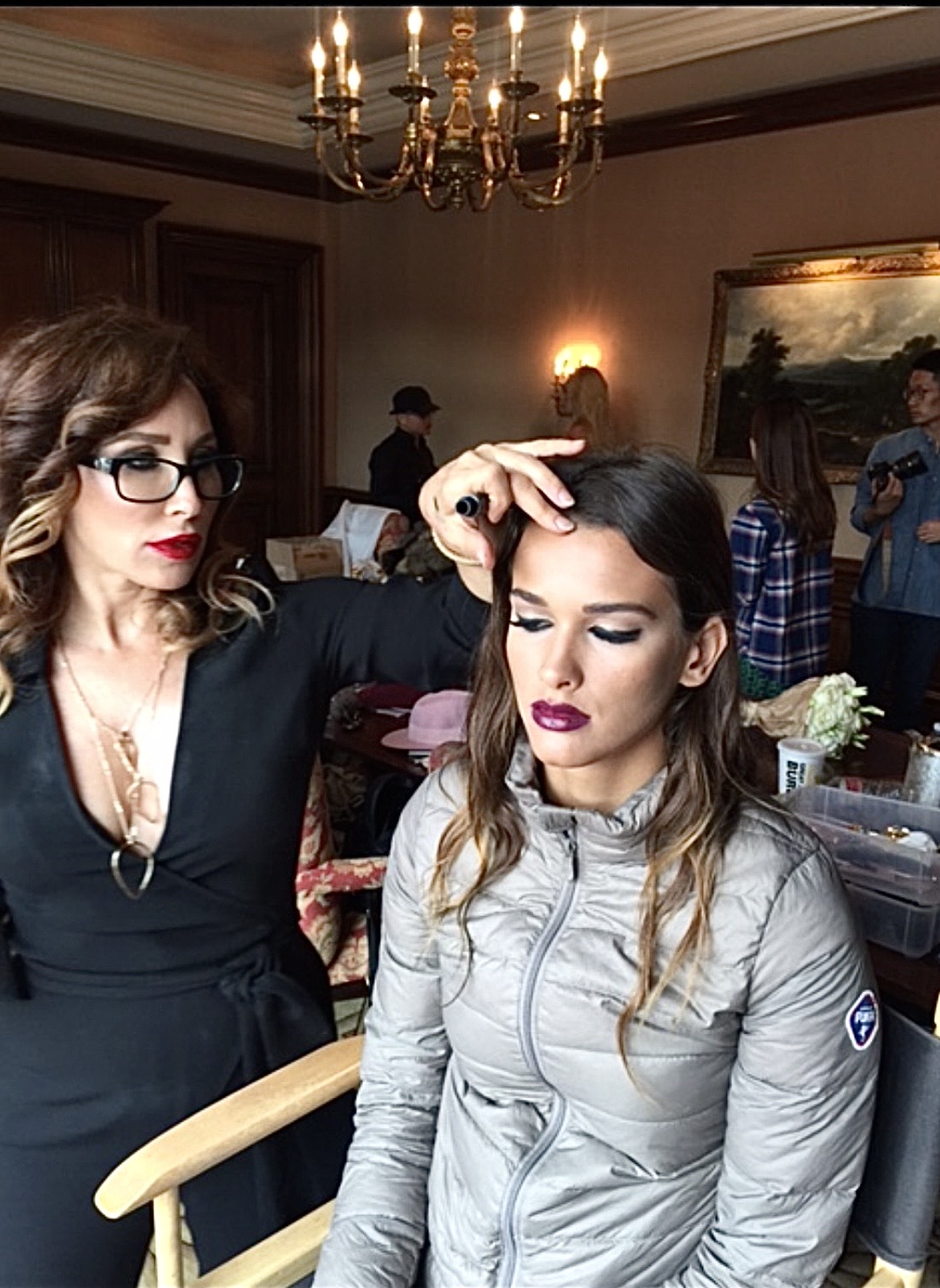
The engineering behind runway makeup is intense, especially on the runway. Speed is something runway requires that the other formats don’t. In print and television, you have time. On a runway, you might have forty-five minutes to move through fifteen to twenty models and execute a complete look on every single one of them. Every product choice, every brush, every step has to be deliberate and practiced. There is no winging it backstage at a fashion show. The preparation that happens days before the show is just as important as what happens on the day itself.
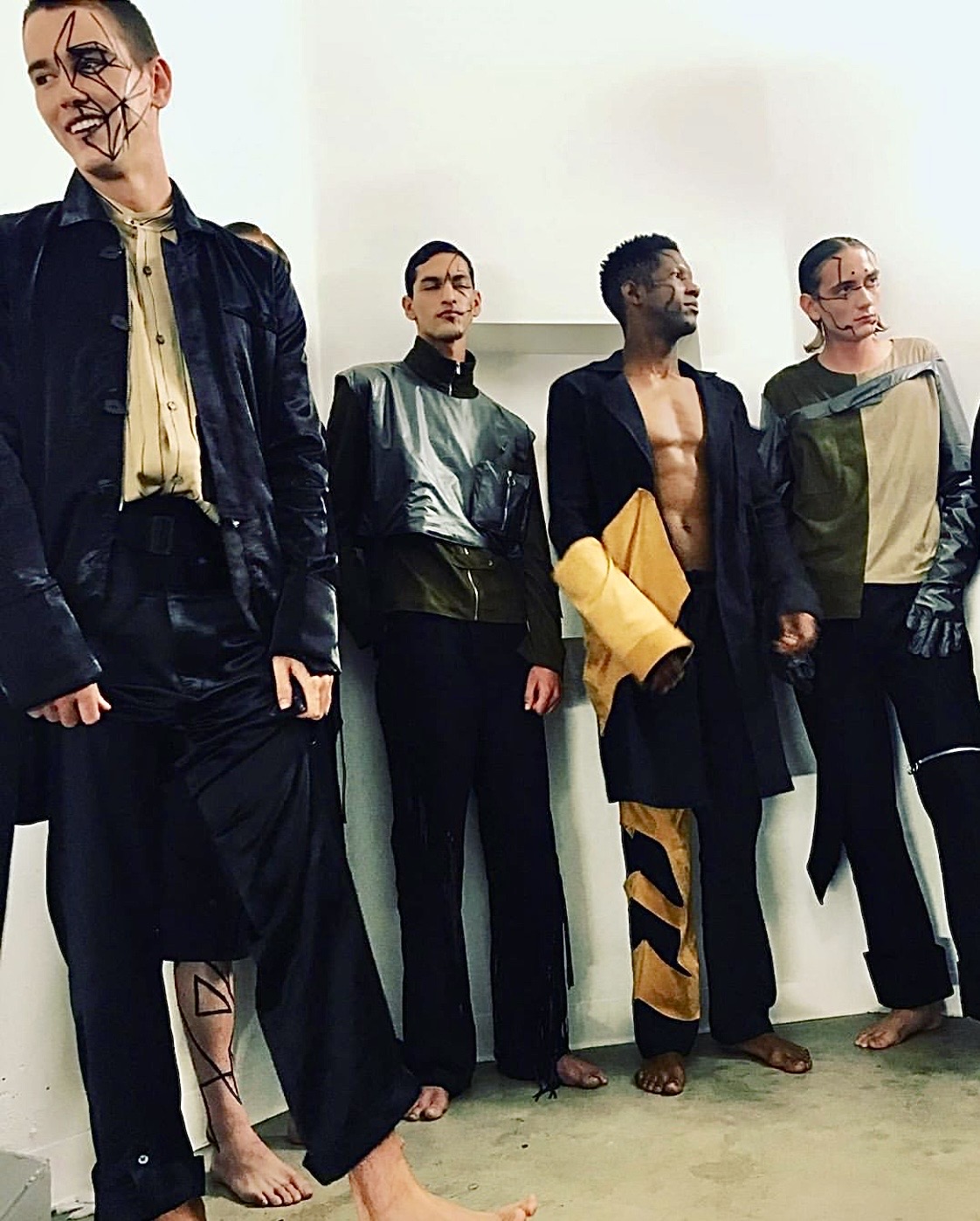
I also think about the overall visual story of the show when I’m designing runway looks. The makeup is part of the designer’s narrative. It has to make sense with the clothing, the hair, the set design, and the overall mood of the collection. That creative collaboration between the makeup artist and the designer is one of my favorite parts of fashion week. It’s where artistry and vision meet.
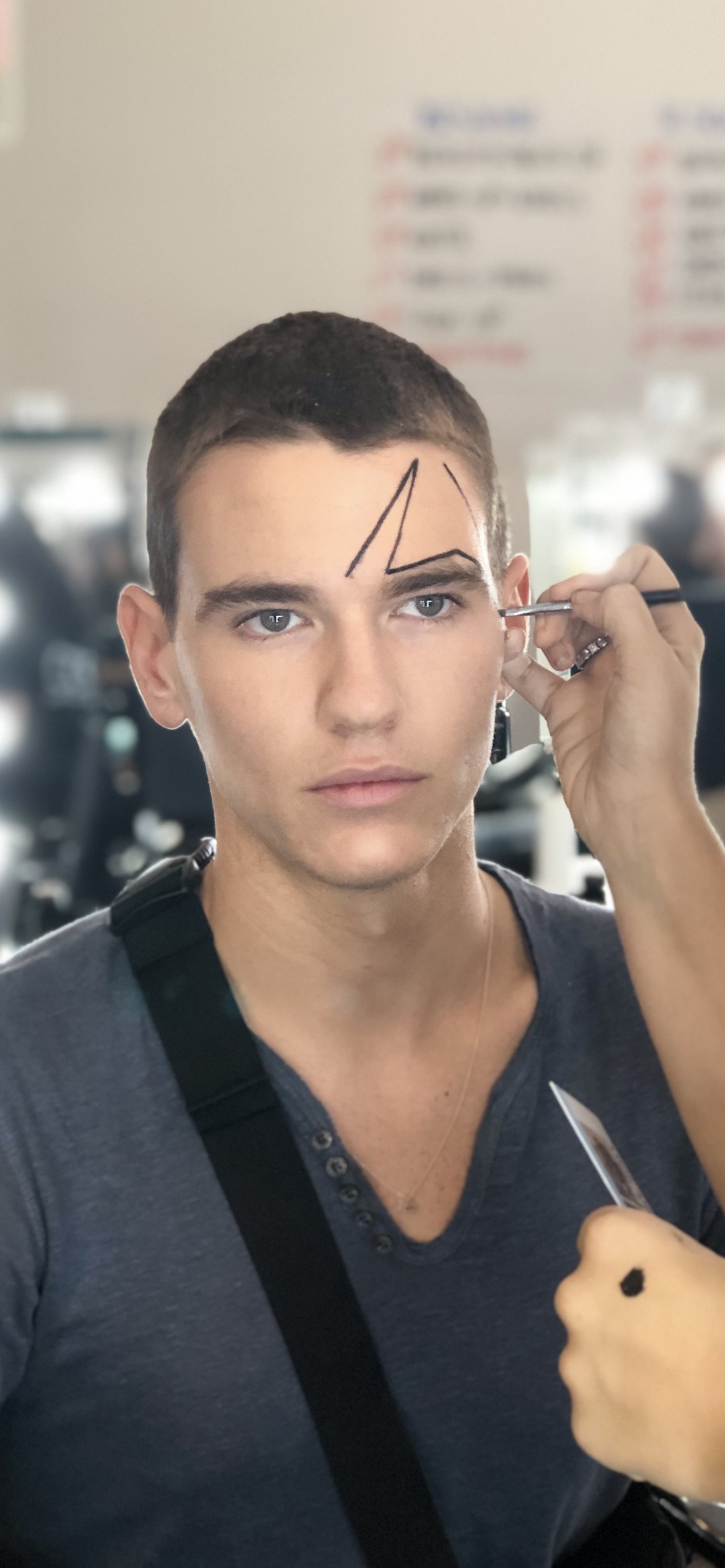
The fundamentals stay the same across all three… good skin prep, proper color matching, quality products chosen for wear time. But once you understand how each format demands a different execution, you stop making one makeup and start creating for the specific medium. That’s when your work truly stands out.
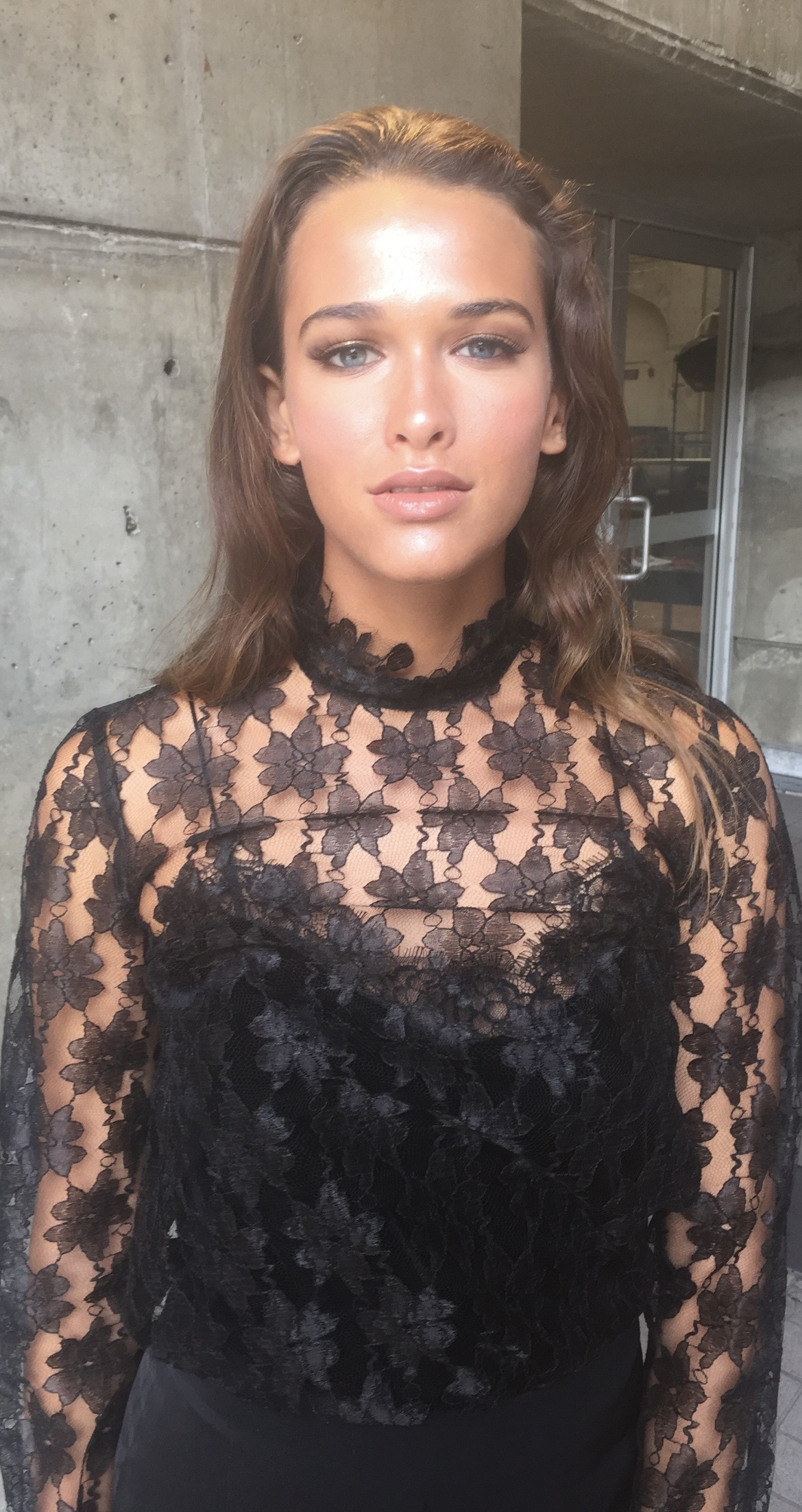
If you want to develop this kind of versatility as a makeup artist and learn makeup for different formats, it starts with understanding the why behind every technique. That’s exactly what we focus on at Bosso Intensive Makeup School in Los Angeles and our second location in Florida. Enrollment is open for our intensives held each month.
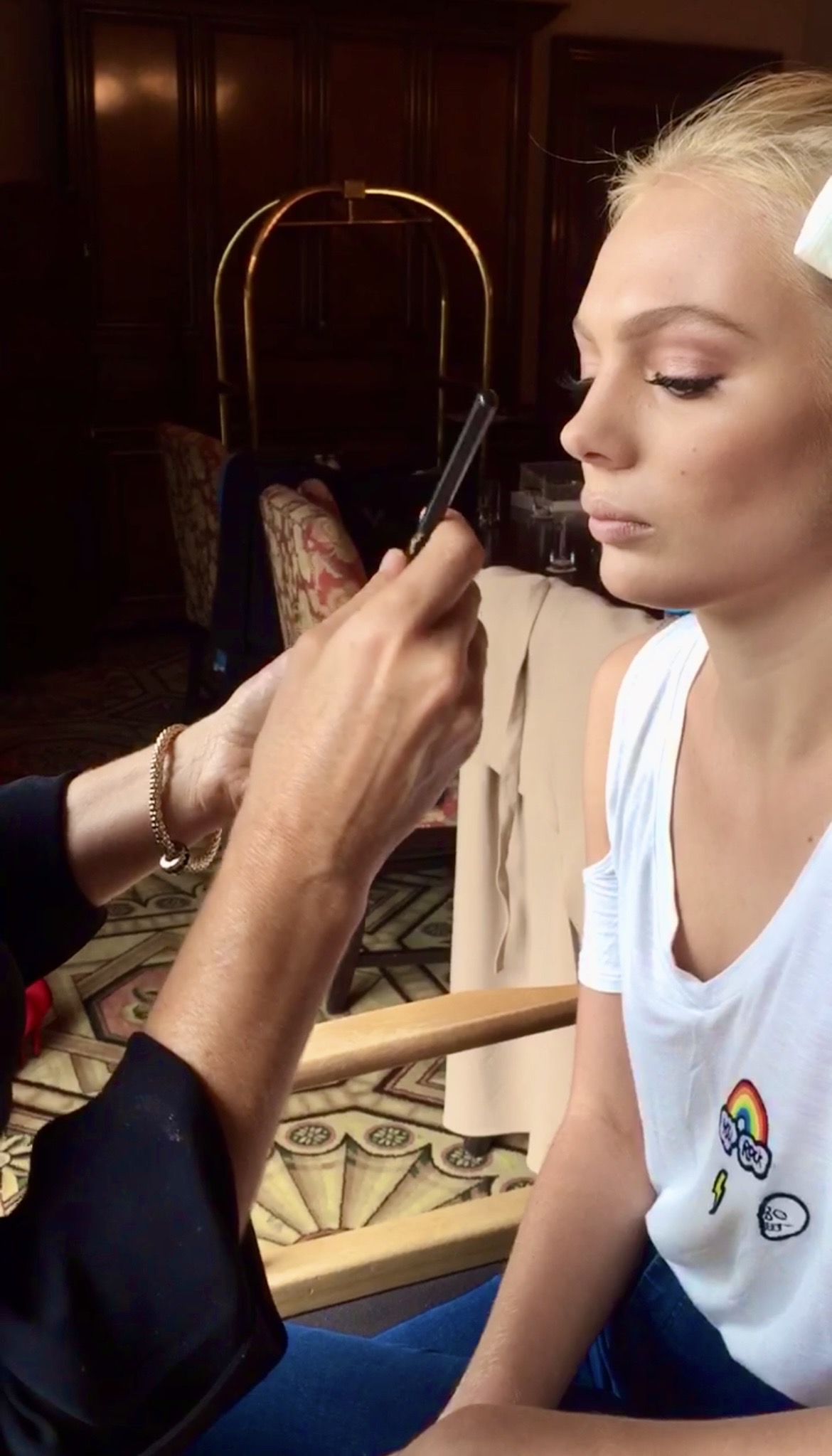
Follow me on Instagram @BossoMakeupBeverlyHills for a look into my world as a makeup artist, educator, and beauty expert.
Comments